Blog
Editorial vs Documentary Wedding Photography: What Is the Difference?
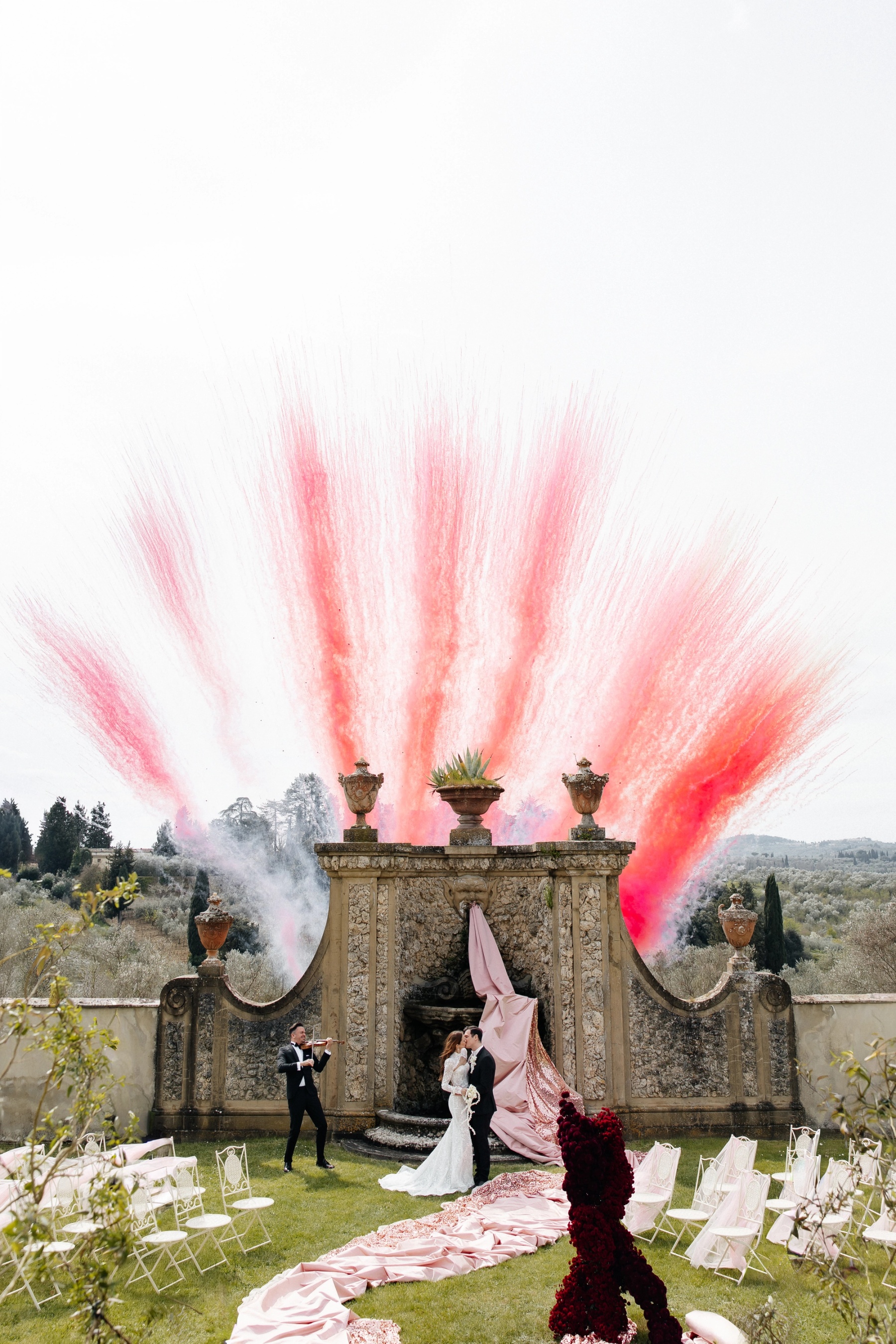
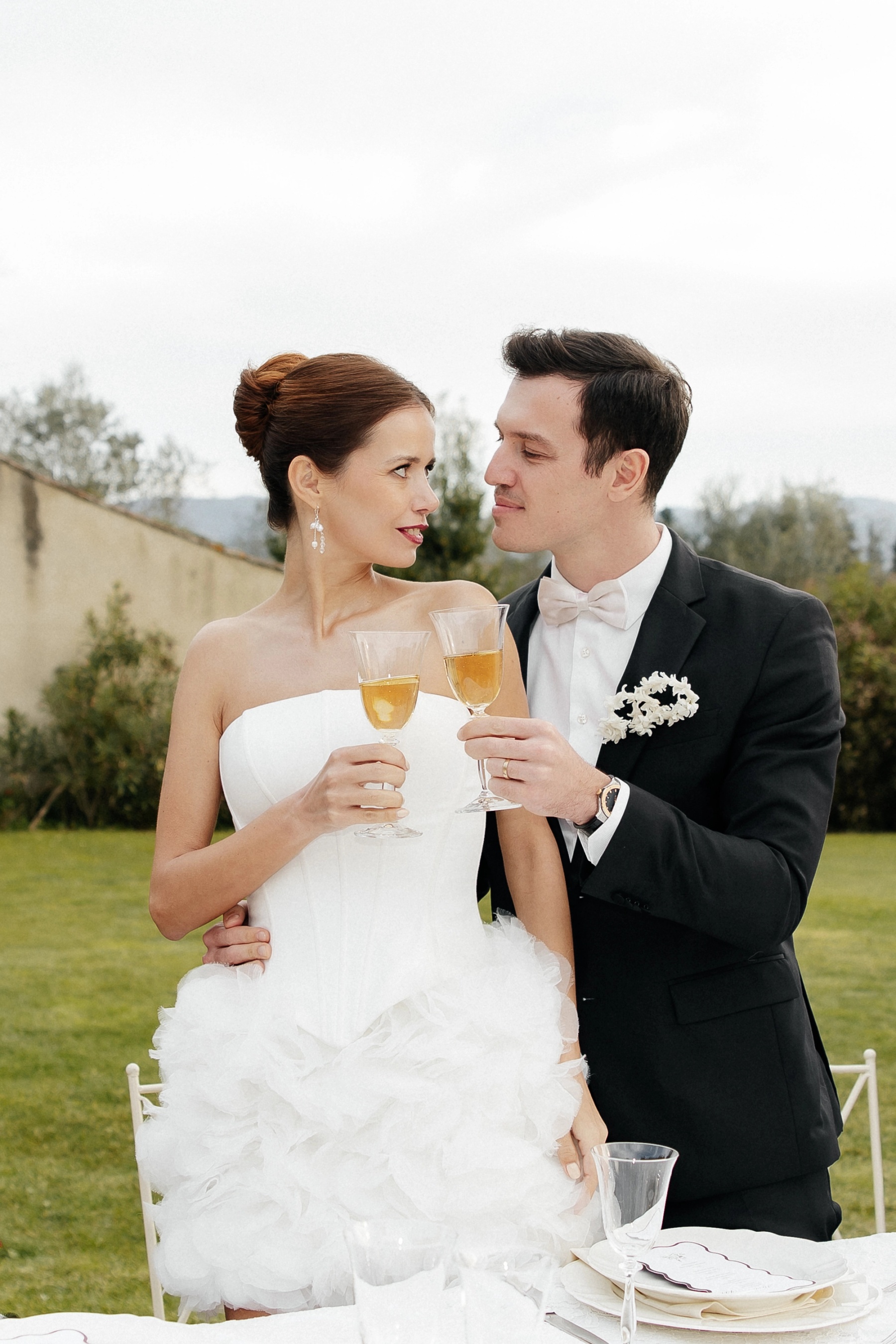
When couples begin curating the creative team for their wedding, they are immediately introduced to a complex lexicon of industry terminology. Words like editorial, documentary, candid, photojournalistic, fine art, and timeless dominate portfolio descriptions. For those outside the professional visual arts, these distinctions can initially feel ambiguous. Every photographer defines their creative signature slightly differently, making it challenging to translate abstract artistic philosophies into tangible expectations for your actual wedding day.
In the upper echelon of modern wedding photography, two dominant methodologies have emerged as the gold standard: Editorial Wedding Photography and Documentary Wedding Photography. While both philosophies are capable of producing breathtaking, emotionally resonant, and highly sophisticated imagery, they operate on fundamentally different mechanics of observation, direction, and spatial control. Understanding the distinct anatomy of these two approaches—and how they masterfully intersect—is the single most effective way to align your visual priorities with the right visual storyteller.
What Is Documentary Wedding Photography?
At its core, documentary wedding photography (often referred to as wedding photojournalism or reportage) is an exercise in pure visual truth. The philosophy is anchored in uncompromised authenticity: the photographer operates as an astute, hyper-reactive observer whose primary objective is to capture the day exactly as it unfolds, without staging, prompting, or altering the natural timeline.
This approach is dedicated to preserving the genuine atmospheric weight and raw psychological reality of the milestone. It is about capturing the unrepeatable human elements:
- The quiet, electric tension in the bridal suite moments before stepping into the dress.
- The micro-expressions of pride, nostalgia, and overwhelming joy etched into a parent’s face during the exchange of vows.
- The uninhibited, chaotic energy of guests erupting into laughter during dinner speeches.
- The fleeting, unscripted glances shared between the couple when they believe no one is watching.
From a technical execution standpoint, a master documentary photographer relies on situational anticipation and environmental stealth. Rather than using heavy, intrusive lighting setups that disrupt the mood, they leverage fast prime lenses (typically wide-angle 24mm or 35mm focal lengths) that allow them to physically embed within the action while remaining virtually invisible. They do not halt conversations to ask for a repeated smile, nor do they clear a room to manufacture a cleaner background. Instead, they embrace the authentic layering of the environment, composing frames that transport the viewer directly back to the authentic sensory experience of the moment. For couples who value absolute presence and wish to avoid the performative exhaustion of a prolonged photoshoot, pure documentary coverage is an invaluable asset.
What Is Editorial Wedding Photography?
Editorial wedding photography introduces a highly refined, curated, and visually intentional layer to visual storytelling. Heavily influenced by the polished aesthetics of high-fashion publications like Vogue or Harper’s Bazaar, this style prioritizes striking architectural composition, masterful manipulation of light, and deliberate visual direction.
A common misconception is that an editorial approach yields rigid, artificial, or hyper-posed imagery. In the hands of a premium visual artist, true editorial photography is never about manufacturing fake emotions; rather, it is about elevating reality through intentional art direction. An editorial photographer actively analyzes the geometry of an environment to create frames defined by graphic strength and sophisticated elegance.
Key components of the editorial methodology include:
- Sartorial and Design Focus: Highlighting the bespoke tailoring of a suit, the structural drape of a couture gown, the delicate architecture of floral installations, and the tactile textures of luxury tablescapes.
- Mastering Scene Geometry: Actively placing subjects against clean, monumental backgrounds, utilizing strong leading lines, and managing negative space to isolate the couple in a striking, cinematic frame.
- Sophisticated Light Sculpting: Deliberately guiding the couple into pockets of dramatic, directional light—whether it is the soft ambient falloff of a historic stone archway or the dramatic high-contrast shadows of a chateau window.
If your celebration is set within a visually commanding environment—such as a sweeping baroque palace in Vienna, an exclusive historic villa overlooking Lake Como, or a meticulously manicured Tuscan estate—an editorial methodology is essential. It honors the immense investment made in your venue and design, ensuring the physical environment is captured with the same artistic weight as the human narrative.
The Main Difference Between Editorial and Documentary Style
To reduce the distinction between these styles to simply “posed versus unposed” is a critical oversimplification. The true divergence lies in creative intent, the degree of intervention, and the locus of control.
Dimension
Documentary Photography
Editorial Photography
Core Objective
Truth and emotional preservation.
Elegance, visual impact, and design curation.
Photographer's Role
Reactive Observer: Anticipating and capturing life as it happens.
Proactive Director: Curating and shaping the visual narrative.
Scene Control
Absolute zero intervention; the environment dictates the frame.
High environmental curation; adjusting elements for aesthetic perfection.
Lighting Approach
Utilizing available ambient light to maintain true atmosphere.
Hunting for, or introducing, highly flattering, sculpted light.
Pacing
Fluid and continuous; matches the organic rhythm of the day.
Deliberate and unhurried; pausing to perfect a composition.
Documentary photography accepts the scene with all its beautiful imperfections. If a stray glass sits on a table during an emotional toast, it remains in the frame as an authentic artifact of the celebration. Editorial photography, conversely, seeks visual harmony. The photographer will subtly clear the distracting glass, adjust the angle of the subject’s shoulders to catch the light perfectly, and wait for a gust of wind to lift the veil before releasing the shutter. Documentary frames evoke the immediate reaction: "Look at how that felt." Editorial frames evoke the reaction: "Look at how breathtakingly beautiful that was."
Why Many Couples Want a Balance of Both
In the landscape of modern luxury weddings, adhering strictly to a single dogmatic style rarely serves the complete narrative of the event. A high-end wedding is a highly complex, multi-layered production. It is simultaneously an uninhibited, emotionally charged family gathering and a masterfully curated design exhibition. Therefore, the most sophisticated galleries are built upon a seamless, hybrid approach that synthesizes documentary honesty with editorial polish.
Consider the narrative demands of a destination wedding in Europe. If you host a multi-day celebration at an Austrian castle or a Swiss alpine resort, your final gallery should reflect the totality of the experience. You require hyper-reactive documentary coverage to immortalize the tearful embraces, the spontaneous Champagne sprays, and the raw energy of the dance floor. However, you equally require the authoritative eye of an editorial director to capture the majestic scale of the architecture, the macro-details of your heirloom jewelry, and breathtaking couple portraits worthy of a fine-art print.
A master photographer operates with a fluid duality, effortlessly shifting creative gears depending on the immediate requirements of the timeline. This curated balance ensures your collection never feels like a disconnected series of random snapshots, nor does it feel like an exhausting, sterile fashion campaign. It results in a cohesive legacy: profoundly emotional, yet flawlessly refined.
What This Means on the Wedding Day
In practice, executing this balanced methodology feels incredibly seamless, intuitive, and reassuring for the couple. It relies on establishing distinct operational zones throughout your timeline.
The Documentary Zones
During the pivotal, unrepeatable milestones of the day—the ceremony proceedings, the exchange of rings, the emotional toasts, the dinner service, and the evening party—your photographer operates almost exclusively in documentary mode. They step back, switch to longer or wider focal lengths, and allow the emotional gravity of the event to breathe. There is absolutely no interruption, no orchestration, and no manufactured staging. The moments belong entirely to you and your guests.
The Editorial Zones
During the dedicated creative blocks—the morning getting-ready details, the private couple’s portrait session, and the structured family formals—the photographer steps into a direct, guiding role. Because the vast majority of couples are not professional models, stepping in front of a camera can induce natural self-consciousness. Here, the photographer provides psychological grounding and confident spatial direction.
Rather than issuing rigid commands, premium direction utilizes movement-based prompts:
- "Walk slowly toward the edge of the terrace, keeping your focus entirely on each other."
- "Pause right at the threshold of the archway where the light catches the edge of your veil."
- "Drop your shoulders, take a slow breath, and let your hands rest naturally in his lapels."
This gentle, authoritative guidance removes the anxiety of "what to do with your hands," allowing your natural chemistry to surface within a structurally perfect, highly flattering composition.
Candid Does Not Mean Random
A frequent request during initial creative consultations is the desire for "candid" photography. While couples correctly use this term to express their aversion to stiff, unnatural, and forced smiles, it is vital to establish that masterful candid photography is never accidental or random.
Creating a powerful, unposed image that commands artistic respect requires an extraordinary convergence of advanced technical skills: precise zone-focusing, an innate understanding of human psychology, and lightning-fast compositional reflexes. A master photographer does not simply point a camera at a moving crowd and hope for the best. They employ a technique known as anticipatory framing.
They pre-visualize the image before the action occurs. A photographer will identify a striking pocket of light striking a textured interior wall, compose the frame perfectly to incorporate negative space, and then patiently wait for a subject—a laughing bridesmaid, the bride adjusting her earring, or a flower girl peering around a corner—to step directly into that pre-lit focal point. The resulting frame feels wildly spontaneous and effortlessly candid to the viewer, but it was constructed with deliberate, calculated artistic intent. True documentary excellence is the art of imposing rigorous geometric order onto unscripted human emotion.
Editorial Does Not Mean Fake
Conversely, a lingering apprehension regarding editorial photography is the fear that the images will look cold, detached, or fundamentally "fake." This stems from exposure to low-tier photography where couples are contorted into unnatural, trend-chasing poses that contradict their authentic body language.
High-end editorial wedding photography achieves the exact opposite: it captures genuine romantic intimacy elevated by world-class visual framing. The distinction lies in environmental optimization rather than emotional fabrication.
When an editorial photographer guides you into a grand marble staircase or aligns you perfectly with the symmetrical gardens of a historic estate, they are simply curating the physical stage. Once you are positioned in that flawless light and compelling composition, the emotions that transpire within that space are entirely your own. A quiet whisper, a shared laugh, or a tender embrace captured within a perfectly optimized frame results in an image that is deeply authentic, yet possesses the timeless, arresting quality of a cinematic masterpiece. Editorial curation simply removes visual clutter so the truth of your connection can shine without distraction.
How to Know Which Style Is Right for You
When evaluating potential photographers for your destination wedding, it is essential to look past the marketing buzzwords on their landing pages and conduct a rigorous, analytical review of their complete bodies of work. Request to view full, delivered client galleries rather than relying solely on curated social media grids.
As you analyze their portfolios, apply this critical evaluation matrix:
- Emotional Resonance: Do the documentary images make you feel an immediate, empathetic connection to the subjects, or do they feel like distant, observational snapshots?
- Posing Fluidity: In the couple portraits, do the subjects look physically relaxed, grounded, and connected, or do their postures appear rigid, forced, and uncomfortable?
- Lighting Consistency: Notice how the photographer handles highly complex environments. Does their editorial eye maintain clean, flattering skin tones during harsh midday sun, and do their documentary skills preserve the ambient warmth of a candlelit dinner without blasting the room with flat, clinical flash?
- Environmental Integration: Does the photographer successfully capture the unique sense of place? If looking at a wedding in Rome or Vienna, do you feel the distinct architectural heritage of the city embedded in the frames?
- Narrative Cohesion: Does the gallery flow seamlessly? The transition from a highly styled macro-shot of the wedding rings to a gritty, high-energy dance floor photograph should feel like a logical progression within a single, unified artistic vision.
If you find yourself captivated by unvarnished emotional honesty but still desire breathtaking, magazine-quality portraits that honor your venue, your definitive choice is an artist who explicitly specializes in a blended editorial-documentary methodology.
Why Style Matters for Destination Weddings
The intersection of style and geography becomes critical when executing a destination wedding in Europe. Selecting an international location is rarely a casual choice; couples invest heavily in transporting their lives and loved ones to settings rich in historical narrative and aesthetic grandeur. The visual approach must directly complement the specific environmental topography of the destination.
Consider how regional nuances dictate visual storytelling requirements:
- Imperial Austria (Vienna / Salzburg): Defined by monumental neoclassical facades, sweeping palace interiors, and pristine baroque gardens. This environment demands strong editorial alignment—utilizing architectural symmetry, deep shadows, and clean lines to mirror the regal sophistication of the cities.
- Italian Lakes & Coastlines (Lake Como / Amalfi): Characterized by dramatic vertical landscapes, shimmering water dynamics, and intense Mediterranean sunlight. A photographer must balance editorial mastery to manage the harsh daytime glare with fluid documentary skills to capture the relaxed, effortless la dolce vita rhythm of boat transfers and long al fresco evenings.
- Tuscan & French Countryside: Defined by expansive, sun-drenched rolling hills, ancient stone borgo textures, and warm, golden-hour light falloff. The approach here leans heavily into romantic, soft editorial portraiture combined with warm, communal documentary capturing of sprawling outdoor feasts.
A strictly documentary photographer might deliver brilliant emotional frames while missing the deliberate architectural scale of your venue. A strictly editorial photographer might deliver phenomenal design details while missing the chaotic, joyful soul of the party. The European destination experience demands an artist capable of honoring both masters.
Final Thoughts
Ultimately, Editorial and Documentary wedding photography are not warring factions within the visual arts; they are two sides of the same premium coin. Pure documentary storytelling provides the indispensable gift of unvarnished truth, preserving the authentic emotional heritage of your family's history. Editorial storytelling provides the gift of elevated beauty, transforming temporary moments into enduring, iconic works of art.
For the discerning couple, the pinnacle of wedding photography lies precisely at the intersection of these two philosophies. You deserve a visual record that allows you to weep at the raw, unfiltered memory of a parent's embrace, while simultaneously marveling at a portrait of yourselves that looks like it belongs on the cover of a fine-art publication.
As a premium destination wedding photographer based in Vienna, my creative signature is built upon this deliberate hybrid foundation. Operating across the monumental palaces of Austria, the exclusive lakeside villas of Italy, and the breathtaking vistas of Switzerland and France, my methodology marries hyper-perceptive, unobtrusive documentary capturing with sophisticated, editorial visual direction. My objective is to step into your celebration with a calm, grounding authority—meticulously curating the visual stage while preserving the absolute emotional integrity of your day.
Your wedding gallery should never feel like a collection of sterile, exhausting poses, nor should it feel like a series of accidental snapshots. It should stand as a definitive, beautifully crafted legacy: capturing not simply how your extraordinary celebration looked, but exactly how it felt to live it.