Blog
First Look or No First Look? A Photographer’s Perspective
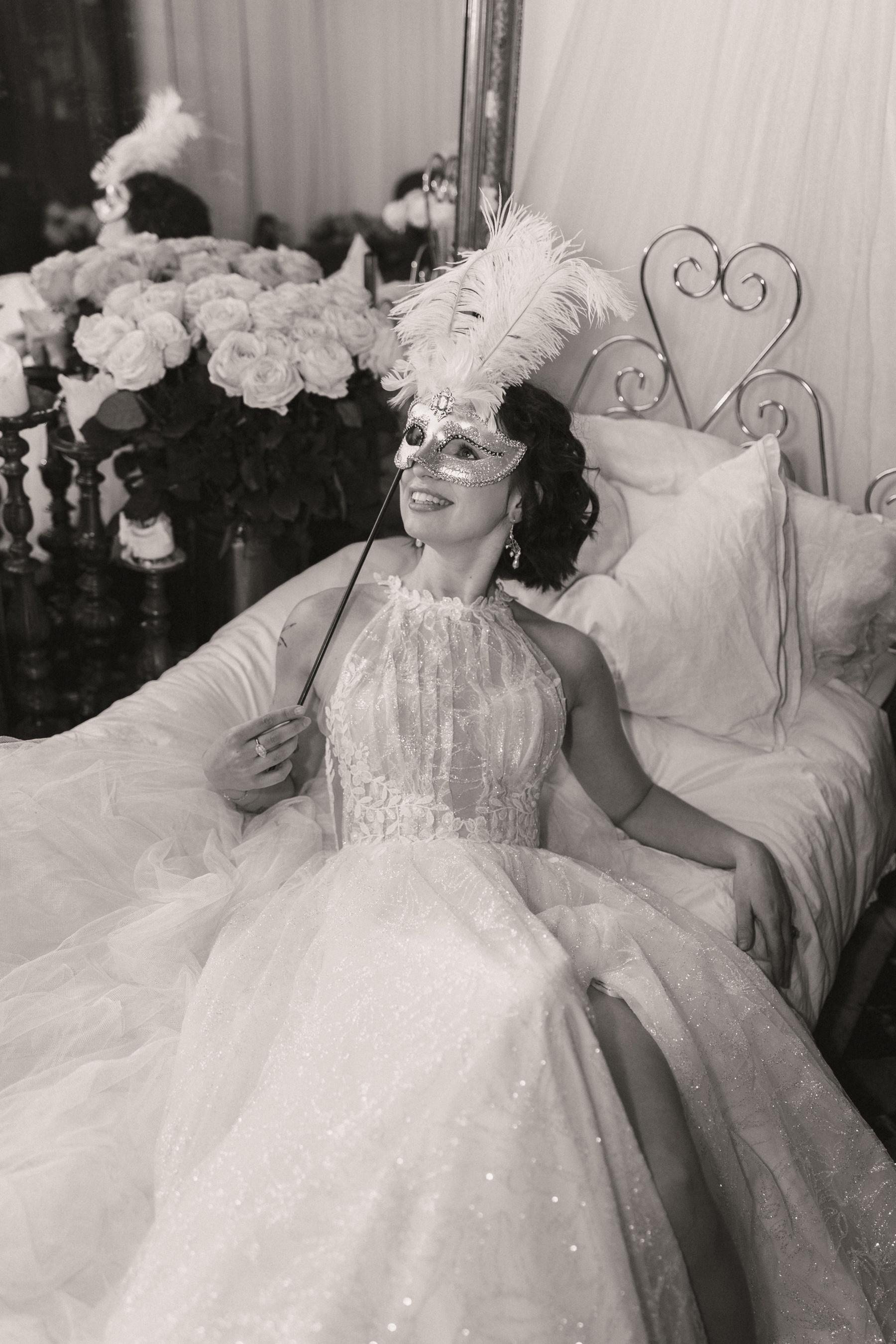
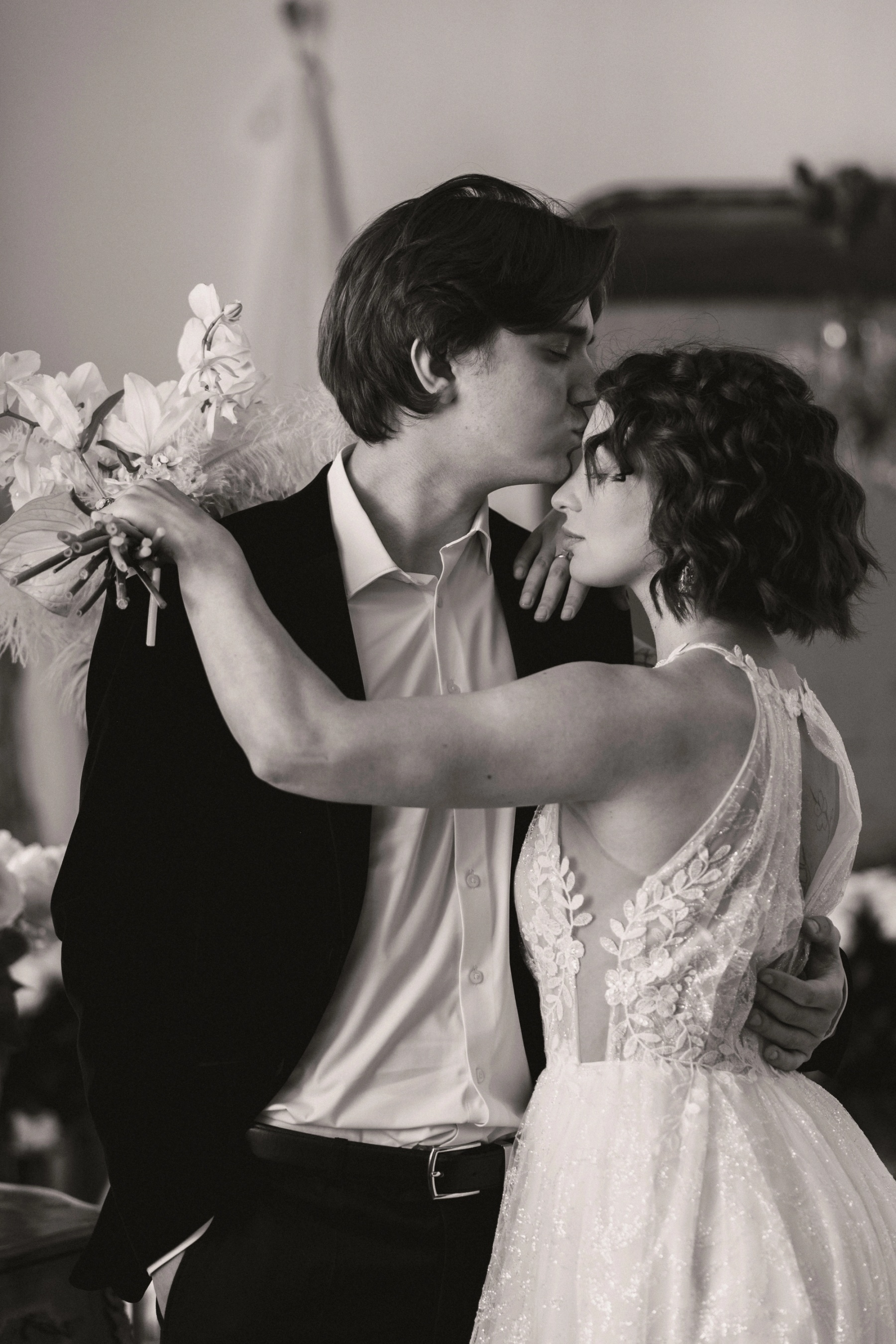
When mapping out the intricate architecture of a wedding timeline, one of the most pivotal decisions a couple will face is whether to incorporate a "first look." This single choice fundamentally dictates the entire rhythm, emotional pacing, and logistical flow of the celebration. Some couples are immediately drawn to the modern intimacy of a private reveal, while others hesitate, fiercely guarding the traditional anticipation of locking eyes only as the ceremony music swells and the doors open.
It is crucial to establish immediately that there is no universal "correct" choice. A first look can be a profoundly emotional and highly strategic anchor for your day, but it is by no means a mandatory requirement for a magnificent wedding gallery. As a professional wedding photographer, I counsel couples to evaluate this decision not merely through the lens of timeline efficiency, but through the lens of psychological comfort. Your geographic location, the season, the setting sun, your venue’s logistical layout, and your own personalities must all be weighed. The ultimate goal is to curate a timeline that allows you to remain profoundly present, grounded, and joyful.
What Is a First Look?
In its purest form, a first look is a deliberately orchestrated, entirely private moment before the ceremony where the couple sees each other in their wedding attire for the very first time. It is typically staged in a secluded, visually stunning location on the venue grounds—far removed from early-arriving guests, bridal parties, and family members.
The choreography is simple but powerful: one partner is positioned facing away, while the other approaches from behind. The photographer and videographer utilize long telephoto lenses (such as an 85mm or 135mm), allowing them to physically step far back from the scene. This technical approach grants the couple a protective bubble of absolute privacy to react organically.
This is not a fleeting, five-second photo opportunity. A proper first look is a dedicated 15-to-20-minute timeline block. It provides a rare sanctuary where you can finally embrace, admire each other's attire, speak freely, shed tears without an audience, and simply breathe. For an increasing number of modern couples, this window is also used to read private vows to one another before exchanging official, traditional vows during the public ceremony.
Why Couples Choose a First Look
The primary catalyst for choosing a first look is often deeply psychological: privacy and anxiety management. A wedding day is an extraordinary milestone, but it is also an event characterized by high adrenaline and intense sensory input. The traditional ceremony, while beautiful, is an inherently public performance. Walking down the aisle means absorbing the focused attention of a hundred or more guests. For individuals who are naturally introverted, or simply overwhelmed by the magnitude of the moment, the pressure of producing a "perfect" public reaction can trigger severe anxiety.
A first look acts as a psychological pressure valve. It allows you to process the overwhelming reality of the day—“We are actually getting married today”—in the safety of your partner’s arms. By the time you later walk down the aisle, the nervous, vibrating anxiety has dissolved, replaced by a profound, grounded excitement. You are no longer dreading the spotlight; you are simply walking toward your best friend.
Furthermore, a first look fundamentally shifts the timeline. It opens the door to completing your creative couple’s portraits, bridal party group shots, and even immediate family formals before the ceremony begins. This transforms the post-ceremony experience, allowing you to transition seamlessly from your "I dos" straight into the champagne toasts and aperitivo hour, fully present with your guests.
The Photography Benefits of a First Look
From a technical and editorial perspective, integrating a first look provides what professionals call timeline insurance. It secures your most critical portraits under optimal, controlled conditions.
Consider the aesthetic advantages:
- Freshness and Perfection: During a pre-ceremony session, your hair and makeup are flawless, the floral bouquet is perfectly hydrated, and your wedding attire is pristine, free of dust or grass stains. You are captured at your absolute aesthetic peak.
- Unhurried Creativity: When portraits are squeezed into a tight 30-minute window between the ceremony and the reception, there is an underlying sense of urgency. A first look grants your photographer the luxury of time—allowing for gentle, movement-based direction, exploration of multiple architectural backdrops, and the creation of highly polished, editorial imagery without the stress of a ticking clock.
- Lighting Control: This is especially critical for destination weddings in Europe. If you are hosting an autumn wedding in the Tuscan hills or a late-October celebration in Vienna, the sun may set as early as 4:30 PM. If your ceremony is at 4:00 PM, a traditional timeline leaves you in complete darkness for your portraits. A first look guarantees your imagery is captured in brilliant, natural daylight.
For destination events, the venue dictates the narrative. A first look on the sweeping gravel terrace of a Lake Como villa before the guests arrive, or within the quiet, monumental arches of the Hofburg in Vienna, allows you to utilize the most iconic locations of your venue in total privacy, before they are populated by catering staff and attendees.
Why Some Couples Prefer No First Look
Despite the undeniable logistical advantages, the traditional approach remains fiercely beloved, and for entirely valid reasons. For many, the decision to forego a first look is rooted in the pursuit of the ultimate cinematic crescendo.
There is an undeniable, electric magic to the traditional sequence: the hushed silence falling over the crowd, the dramatic swell of the string quartet, the doors swinging open, and the sudden, overwhelming realization as you see each other across the length of the aisle. For couples who have dreamed of this exact sequence since childhood, that visceral surge of adrenaline and emotion is non-negotiable.
Choosing the traditional route preserves the morning as a slow, separate build-up. The anticipation mounts layer by layer. Furthermore, the aisle reveal is a shared communal experience. Your parents, your closest friends, and your family are all present to witness that exact split-second of raw emotion. The tears and the joy ripple through the audience, creating a profoundly unified atmosphere.
If this tradition holds deep emotional weight for you, you must never allow a photographer or a planner to pressure you into a first look purely for the sake of timeline convenience. A master photographer possesses the technical skill to capture breathtaking imagery regardless of how you structure the reveal.
When a First Look Is Especially Helpful
While a first look is always a personal choice, there are specific logistical scenarios where it transitions from a preference to a highly recommended strategy:
- Late Autumn and Winter Weddings: When daylight is your most precious and scarce resource. If sunset occurs before your ceremony concludes, a first look is the only viable way to secure natural-light portraits.
- Complex Destination Logistics: Consider a wedding on Lake Como where the ceremony is at Villa Balbianello, but the reception requires a 30-minute boat transfer to a separate estate. A first look ensures portraits are secured early, rather than losing golden hour to travel time.
- High Guest Counts & Elaborate Aperitivos: If you are deeply invested in the culinary and social experience of your cocktail hour—perhaps you have flown to Italy specifically for the interactive food stations and live musicians—a first look ensures you do not spend that entire hour hidden away taking formal photographs.
- Anxiety Mitigation: If the thought of crying in front of 150 people paralyzes you, a first look shifts the emotional climax to a safe, private environment.
When No First Look Works Better
Conversely, bypassing the first look is often the most logical and elegant choice in the following scenarios:
- Long Summer Days: During peak European summer (June and July), the sun often sets past 8:30 PM. If your ceremony concludes at 5:00 PM, you have an abundance of daylight. There is absolutely no lighting-based need to rush portraits before the ceremony.
- Highly Traditional or Religious Services: Many orthodox or highly traditional church ceremonies carry strict cultural expectations that the couple must not see each other until the bride reaches the altar. Honoring these cultural frameworks always takes precedence.
- The Intimate Elopement: If your wedding consists only of the two of you, or a micro-guest list of 10 people, the pressure of "missing the cocktail hour" is nonexistent. The entire day is relaxed, rendering the timeline efficiency of a first look unnecessary.
First Look and Family Photos
One of the most overlooked, yet intensely practical, benefits of a first look is the ability to execute the Immediate Family Formal Portraits prior to the ceremony.
Family formals are essential legacy photographs, but they are historically the most stressful, chaotic 20 minutes of the entire wedding day. Guests scatter toward the bar, grandmothers wander off to find seating, and the photographer is forced to assertively wrangle groups together while the couple loses precious cocktail hour time.
By utilizing a first look, you can schedule your parents, siblings, and bridal party to arrive 45 minutes before the general guest call time. In the calm, unhurried environment of the pre-ceremony morning, your photographer can swiftly and elegantly capture these crucial group combinations. Once the ceremony concludes, you are entirely liberated. You can hug your guests, grab a glass of champagne, and immediately join the celebration without a clipboard-wielding planner pulling you away for family groupings.
Note: This strategy requires military precision regarding hair and makeup finishing times. If the bride’s hair is 30 minutes late, the pre-ceremony portrait window vanishes, causing the schedule to collapse.
First Look and Golden Hour: The Split Session Strategy
A pervasive misconception is that choosing a first look forces you to sacrifice those sweeping, romantic, golden-hour portraits. This is categorically false. In fact, professional photographers vastly prefer a "Split Session" strategy.
When you opt for a first look, your creative portraiture is divided into two distinct, highly curated chapters:
- The Pre-Ceremony Session (45 Minutes): Captured in bright, clean midday or mid-afternoon light. The aesthetic here is sharp, high-fashion, and architectural. The dress is perfect, the energy is fresh, and we focus on classic, timeless editorial compositions.
- The Golden Hour Escape (15 Minutes): Later in the evening, typically just after the main dinner course is served, the photographer will pull you away for a rapid, 15-minute mini-session. The sun is dipping below the horizon, casting the world in soft, amber light. The aesthetic here is entirely different: it is relaxed, wildly romantic, and documentary. The groom might have his jacket off, the bride’s hair is slightly wind-swept, and the tension of the day is completely gone.
This split approach provides you with the ultimate luxury: immense variety in your final gallery without ever feeling like you spent your entire wedding day posing for a camera.
How to Decide What Is Right for You
If you are struggling to make a decision, step away from Pinterest and wedding blogs, and sit down with your partner to answer these five strategic questions:
- What is our true sunset time? (Check a weather app for your exact wedding date and geographic location). Does a post-ceremony portrait session plunge us into darkness?
- Are we highly anxious in front of crowds? Would a private moment act as an emotional anchor, or do we thrive on the energy of an audience?
- How important is the cocktail hour to us? Do we want to mingle and eat the canapés we spent months selecting, or are we comfortable missing it for portraiture?
- Is the tradition of the aisle reveal sacred to us? If you close your eyes and picture your wedding day, does changing that moment break your heart?
- How robust is our hair and makeup schedule? Are we willing to wake up 90 minutes earlier to be fully dressed and ready for a pre-ceremony shoot?
If your emotional desires and your logistical realities align, the choice is clear. If they conflict, lean on your professional team. A premium wedding photographer operates as a timeline architect; they will help you engineer a schedule that honors your emotional preferences while securing the technical light necessary for a flawless gallery.
Final Thoughts
The debate between a first look and a traditional aisle reveal is not a test with a right or wrong answer. It is a deeply personal choice regarding how you wish to experience the most anticipated hours of your life. A first look offers unparalleled privacy, psychological calm, and timeline flexibility. The traditional approach preserves the breathtaking, cinematic suspense and the profound communal joy of a public reveal.
Both choices, when supported by strategic timeline planning, result in breathtaking, magazine-quality wedding photography. The true priority is ensuring you carve out the necessary time and space to let your genuine emotions breathe, unhindered by stress or rushed transitions.
As a destination wedding photographer based in Vienna, I collaborate closely with couples navigating the complex logistics of celebrations across Austria, the sweeping hills of Tuscany, the intricate lakeside estates of Lake Como, and the majestic peaks of Switzerland. My role extends far beyond pressing a shutter; it is about providing calm, authoritative guidance to structure your day flawlessly. Whether you choose to share your first glimpse in the quiet shadow of a historic palace or at the end of an aisle surrounded by your closest family, my commitment remains the same: to document your milestone with a perfect balance of raw, authentic emotion and refined, timeless elegance. Your wedding should never feel like a production—it should feel like the truest, most beautiful day of your life.