Blog
Wedding Photography Timeline: How to Plan Your Day for Better Photos
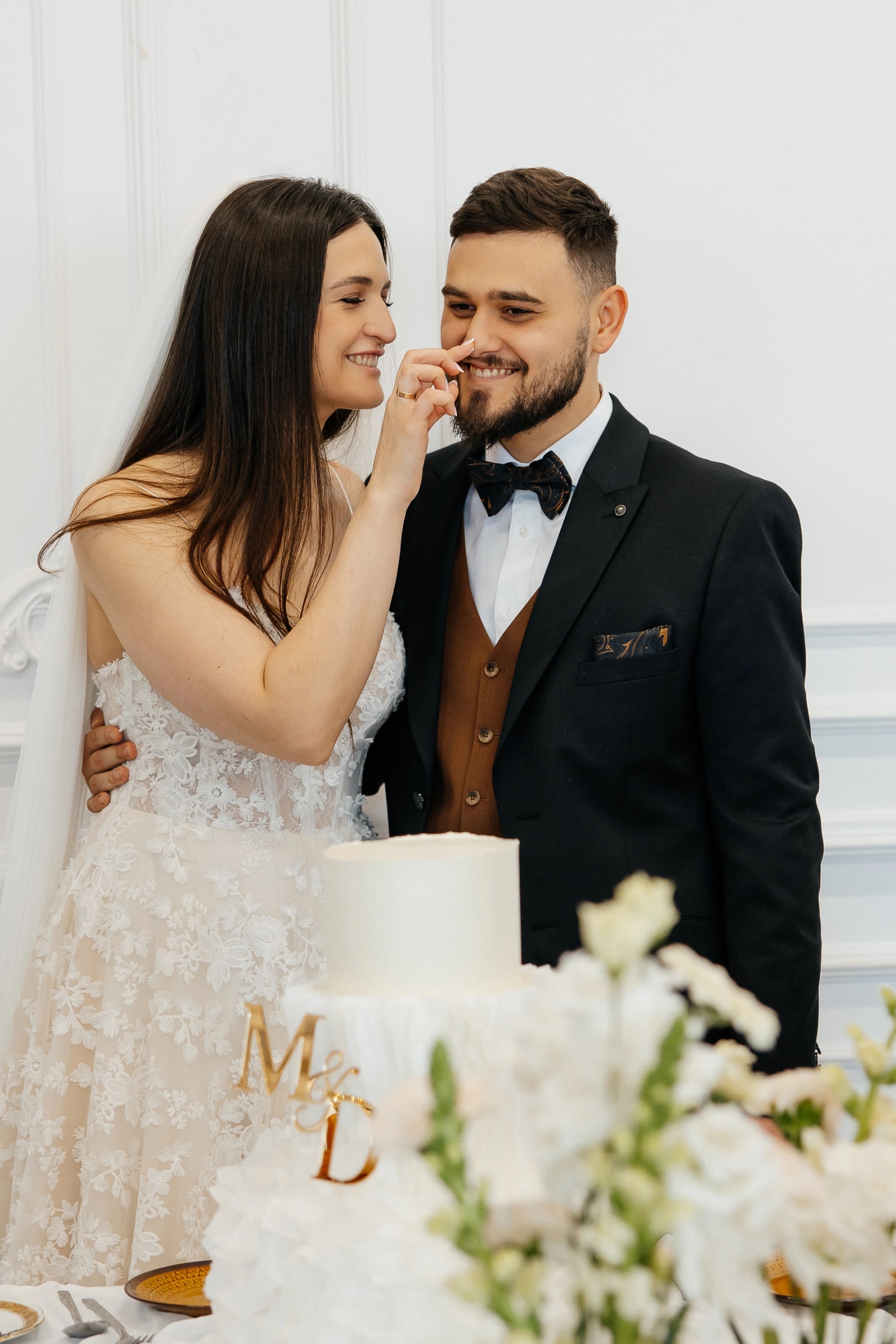
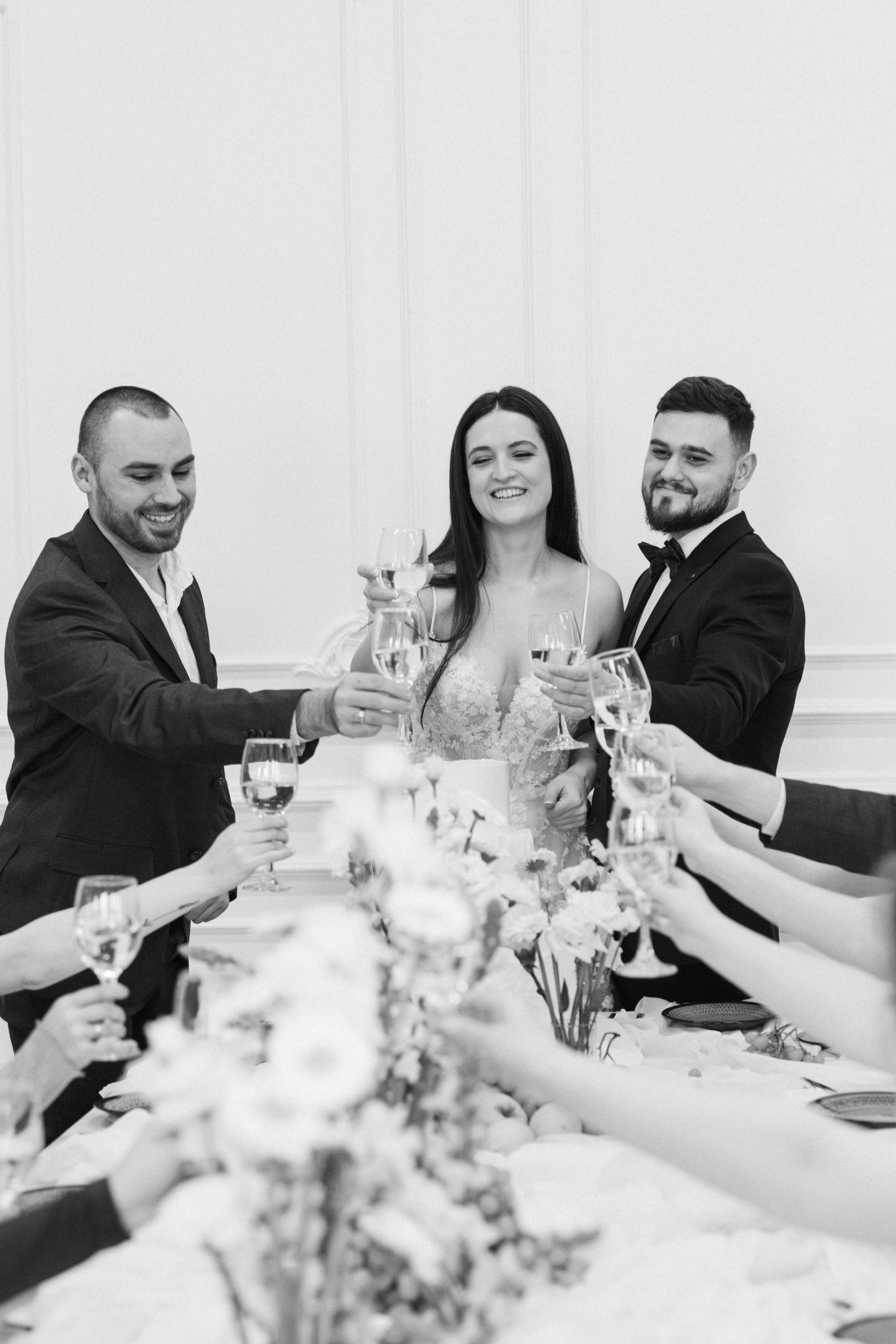
A masterfully curated wedding photography timeline is the invisible architecture behind a truly relaxed, joyful, and visually breathtaking wedding day. While couples invest heavily in securing the perfect historic venue, haute couture bridal fashion, and exquisite floral installations, the ultimate success of the visual documentation relies fundamentally on a less tangible element: time. Beautiful photographs are not merely the result of a spectacular location or a high-end camera; they are born from strategic pacing, an intimate understanding of natural light geometry, and the intentional creation of space that allows genuine moments to breathe.
When initially planning, many couples evaluate photography strictly in terms of hourly coverage packages—six, eight, ten, or twelve hours. While total coverage is a crucial metric, what matters exponentially more is how those hours are actively structured. A thoughtfully engineered timeline empowers your photographer to capture not only the monumental, scheduled milestones but also the delicate, unscripted "in-between" atmosphere: the nervous laughter before stepping into the dress, the proud glance of a parent, and the authentic energy of your celebration.
Whether you are orchestrating an intimate civil ceremony in the heart of Vienna, a multi-day destination wedding in the rolling hills of Tuscany, a highly logistical celebration on the shores of Lake Como, or an elegant gala in a historic Austrian castle, the chronological structure of your day will directly dictate the aesthetic and emotional quality of your final gallery.
Why Your Wedding Photography Timeline Matters
The perception of time on a wedding day is uniquely distorted; even a twelve-hour celebration can feel like a fleeting, brilliant blur once the momentum begins. The morning preparation process often runs long. Guests inevitably arrive earlier than anticipated, eager to socialize. Organizing extended family members for formal portraits always requires more time than expected, and navigating between multiple locations introduces unpredictable traffic or transport delays.
A sophisticated photography timeline does not exist to make your day feel like a rigid, militaristic production. Quite the opposite: a highly detailed timeline is the ultimate defense against stress. It creates generous, calculated buffer zones so that when the inevitable minor delays occur, you remain entirely calm and present. When the schedule is fiercely realistic, there is no need to frantically rush from a portrait session to a dinner service.
From a technical and artistic perspective, this pacing is critical. Timing dictates your access to the most flattering natural light, shapes the emotional flow of the day, and guarantees visual variety. If the schedule is heavily compressed, a professional photographer will still reliably document the events, but the frantic pace strips away the opportunity for creative experimentation, refined editorial composition, and the capturing of quiet, spontaneous emotion.
Getting Ready Photos: Setting the Visual Tone
The "Getting Ready" chapter is the narrative prologue of your wedding gallery. It is a time of profound anticipation, encompassing the curation of bridal details (the dress, shoes, heirloom jewelry, perfume, and bespoke invitation suites), final hair and makeup touches, and deeply intimate moments shared with your closest inner circle.
To secure flawless, high-end preparation imagery, the physical environment is paramount. Clean, directional natural light is a non-negotiable requirement. A spacious, neutral-toned suite with large windows will always photograph beautifully. Furthermore, spatial curation is essential: a clean, uncluttered room elevates the aesthetic immediately. Before the photographer arrives, designate a bridesmaid or planner to clear away the inevitable plastic garment bags, water bottles, and scattered makeup wipes.
Timing during this phase is the most common pitfall of the entire day. If hair and makeup run 45 minutes late, that delay aggressively cannibalizes the time allocated for your portraits.
- The Golden Rule of Prep: Your hair and makeup team should be scheduled to complete your look at least 45 to 60 minutes before you need to leave the room.
- This buffer allows the photographer to capture the intricate process of stepping into your gown, securing the veil, and taking a few calm, stunning bridal portraits by the window without the anxiety of a ticking clock.
For destination weddings, getting ready typically occurs within a grand historic villa, a luxury hotel suite, or a countryside estate. While these spaces are often breathtaking, they must be selected with both visual appeal and practical lighting in mind. A room with heavy, dark wood paneling and small medieval windows might feel romantic in person, but it will severely limit natural-light photography.
First Look or No First Look
One of the most structurally significant decisions you will make is whether to incorporate a "First Look"—a private, dedicated moment prior to the ceremony where the couple sees each other for the first time.
From a logistical and photographic standpoint, a First Look is an incredibly powerful tool. It fundamentally shifts the weight of the timeline, allowing you to complete your creative couple’s portraits, the bridal party groupings, and even the immediate family formals before the ceremony begins. This liberates your post-ceremony schedule, allowing you to transition straight from the altar to your aperitivo hour, fully immersing yourself in the celebration alongside your guests.
A First Look is especially critical in specific logistical scenarios:
- Late Autumn and Winter Weddings: When the sun sets at 4:30 PM, a late-afternoon ceremony means your post-ceremony environment will be pitch black. A First Look guarantees your portraits are captured in brilliant daylight.
- Complex Destination Pacing: If your timeline between the ceremony and the seated dinner is unusually short, securing portraits beforehand eliminates immense pressure.
However, a First Look is absolutely not a mandatory requirement. Many couples harbor a lifelong dream of the traditional aisle reveal—experiencing that powerful, electric surge of emotion simultaneously with their guests. If this tradition is emotionally vital to you, your timeline must simply be engineered to support it, ensuring a robust, protected block of time is carved out after the ceremony for your portraits.
Ceremony Timing: Light and Logistics
The ceremony is the emotional epicenter of the day, and its placement within the timeline dictates the lighting dynamics for the entire afternoon.
If you are hosting an open-air ceremony, understanding the sun's trajectory is critical. A midday outdoor ceremony (e.g., 1:00 PM in July) positions the sun directly overhead, creating harsh, unflattering shadows under the eyes and intense, squint-inducing brightness. Conversely, a late-afternoon ceremony (e.g., 4:30 PM or 5:00 PM) offers a much softer, more directional light that is universally flattering. Work closely with your planner and photographer to orient the altar so that the couple is either enveloped in even, open shade or beautifully backlit by the sun.
For civil weddings at a municipal Standesamt or traditional church services, your time slot is often rigidly fixed by external authorities. In these instances, the surrounding timeline must be highly adaptable.
Equally important is the immediate aftermath of the ceremony. Couples frequently fail to allocate time for the recessional and congratulations (Agape). After you walk back down the aisle, your guests will instinctively rush to hug you, offer their tears of joy, and celebrate. A standard rule of thumb is to allow at least one minute per guest for this organic interaction. Attempting to immediately pull the couple away for portraits the second the ceremony ends shatters the authentic emotional high of the moment.
Family Photos and Group Portraits
Family formals are the essential, generational legacy photographs of your gallery, but without strict structure, they can quickly devolve into the most chaotic and time-consuming chapter of the day.
The secret to executing family portraits elegantly and efficiently is proactive preparation. Provide your photographer with a concise, prioritized shot list weeks in advance. Focus on immediate family and essential extended groupings. Attempting to photograph 35 different micro-combinations will exhaust the couple and drain the cocktail hour.
To streamline the process, assign the role of "Family Wrangler" to a loud, organized, and highly recognizable friend or sibling from each side of the family. The photographer does not know what your "Uncle Thomas" looks like; having an insider who can politely but firmly gather the necessary individuals ensures the session moves at a rapid, efficient pace. Ideally, these portraits should occur immediately following the ceremony, before guests have the opportunity to scatter to the bar or wander the venue grounds.
Couple Portraits: The Creative Core
Your couple’s portrait session is where the high-fashion editorial polish of your gallery is forged. These are the sweeping, intimate, and timeless images that will ultimately be framed in your home and featured in your wedding album.
To achieve that signature relaxed, effortless elegance, time is your greatest asset. You do not need an exhausting three-hour marathon, but you do require a calm, protected window where you can walk, breathe, and genuinely connect. A dedicated 30 to 45 minutes is the professional standard for a strong core session.
For high-end destination weddings, the most effective approach is the Split Session Strategy:
- The Core Session (30–45 minutes): Executed earlier in the day (either during a First Look or post-ceremony) in bright, clean architectural light to capture sharp, formal, and highly styled editorial frames.
- The Golden Hour Escape (10–15 minutes): Scheduled later in the evening to capture an entirely different, highly romantic, and softened aesthetic.
The selected locations should intrinsically reflect the narrative of your destination. In Vienna, this might involve the monumental archways of the Hofburg or the quiet, historic cobblestones of the first district. On Lake Como, it requires utilizing the sprawling botanical terraces or an elegant Riva boat transfer. In Tuscany, it means walking the iconic cypress-lined avenues.
Golden Hour Portraits: Chasing the Light
"Golden Hour" refers to the magical window of time shortly before sunset when the sun sits low on the horizon, filtering through the atmosphere to produce a remarkably soft, warm, and multidirectional amber glow. It is universally considered the most visually spectacular lighting condition for wedding portraiture.
Securing 10 to 20 minutes during this window is highly recommended. Because you have already completed your core portraits earlier, this mini-session is entirely devoid of stress. It is simply a brief, romantic escape from the noise of the reception.
It is vital to recognize that Golden Hour is geographically dependent. If you are marrying on the shores of Lake Como or in an Alpine Austrian valley, the towering mountains will eclipse the sun long before the official weather-app sunset time. The light will transition prematurely from direct sun into a cool, blue twilight. An expert destination photographer tracks these specific topographical shadows in advance to ensure you do not miss this crucial window.
Dinner, Speeches and Evening Atmosphere
As daylight fades, the photographic narrative shifts from natural-light capturing to the mastery of artificial and ambient atmosphere. The evening is defined by highly textured tablescapes, flickering candlelight, emotional toasts, and the electric energy of the dance floor.
For dinner and speeches, the quality of your event lighting is paramount. While candlelight is intensely romantic, it is rarely sufficient on its own to correctly expose a photograph without introducing heavy digital grain. If your dinner is hosted al fresco under the Tuscan sky or within a dimly lit historic hall, discuss the integration of warm-toned canopy string lights (2400K–2700K) or professional pin-spotting with your planner.
When speeches commence, a premium photographer utilizes highly sophisticated, modified off-camera flash systems (such as strategically placed Godox strobes) to bounce light cleanly across the environment. This technical mastery freezes the emotion of a laughing guest or a crying parent perfectly, without overpowering or destroying the beautiful, warm ambient glow of the venue you worked so hard to design.
Regarding the party, the extent of the coverage is dictated by your priorities. Some couples only require the elegance of the cake cutting and the formality of the first dance. Others want the photographer embedded on the dance floor until midnight, capturing the wild, uninhibited energy of an international DJ set with direct, high-fashion flash.
How Much Time to Plan for Each Part
While every wedding possesses a unique operational rhythm, a highly functional, stress-tested photography timeline typically adheres to the following structural framework:
- Getting Ready & Details: 1.5 to 2 hours (ensures time for flat-lays, candid prep, and final bridal portraits).
- First Look (Optional): 15 to 30 minutes (includes the reveal and immediate private portraits).
- Core Couple Portraits: 30 to 45 minutes.
- Immediate Family Formals: 20 to 30 minutes (strictly organized with a shot list).
- The Ceremony: Dependent on the format (15 mins for civil, 60 mins for traditional church).
- Congratulations & Agape: 20 to 30 minutes (crucial for unscripted documentary moments).
- Golden Hour Portraits: 10 to 15 minutes (timed precisely to the sun's descent).
- Dinner, Speeches, and Party: Dependent on your specific hospitality schedule.
Common Timeline Mistakes
Even the most meticulously planned weddings can suffer visually if certain fundamental logistical laws are ignored:
- The Over-Ambitious Itinerary: Attempting to visit three or four different locations across a city or lake for portraits. Transportation consumes massive amounts of time and energy. It is infinitely better to thoroughly exhaust the creative possibilities of one or two cohesive locations.
- The Buffer Deficit: Assuming every vendor will execute exactly to the minute. If you do not build 10-to-15-minute buffers between major transitions, a single late shuttle bus will collapse the rest of the day's schedule.
- Underestimating Family Wrangling: Allotting only 10 minutes to photograph 40 different family members. This results in frustration, missing essential VIPs, and a visibly stressed couple.
- Ignoring Solar Trajectories: Scheduling the ceremony or the portraits without consulting the sun’s position. A master photographer designs the day around the light, not in spite of it.
Final Thoughts
A flawless wedding photography timeline is not a rigid instrument of control; it is the ultimate framework for freedom. By proactively engineering a schedule that respects the mechanics of natural light, travel logistics, and human emotion, you create an environment where your celebration can unfold with effortless grace.
The most breathtaking wedding galleries are always the product of this delicate balance between structural planning and absolute presence. You require the timeline to provide the architecture, but you require the space to allow real, unexpected magic to happen within it.
As a premium destination wedding photographer based in Vienna, my role extends far beyond simply pressing a shutter. I collaborate closely with couples to architect flawless timelines for celebrations across the grand palaces of Austria, the rolling estates of Tuscany, the intricate shores of Lake Como, and the majestic peaks of Switzerland. My approach is anchored in profound calm and technical authority—ensuring that your final gallery is not only exceptionally elegant and visually striking, but that it stands as an authentic, relaxed reflection of the greatest day of your life.